
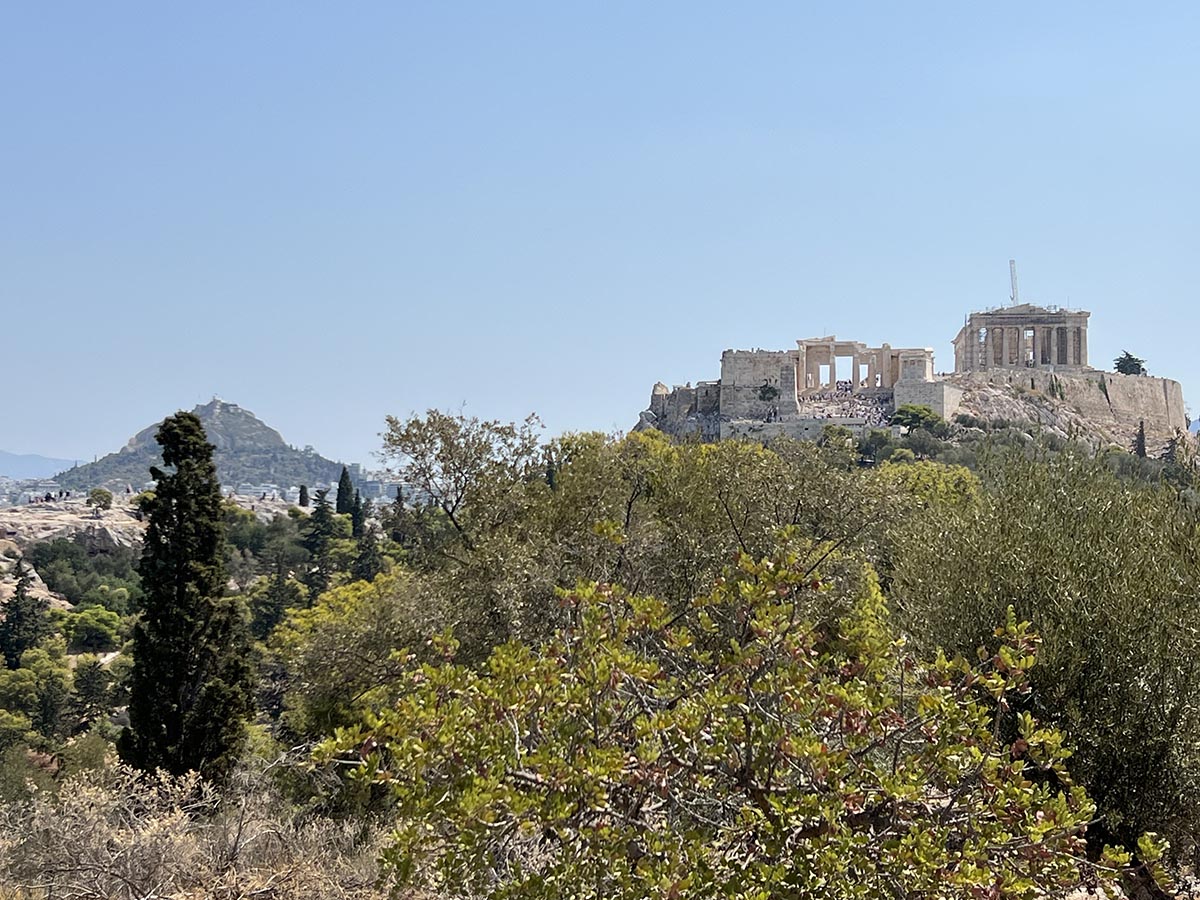
Greece Travel Journal / Day 3
Women in Ancient Greece Walking Tour and the Anafiotika neighbourhood
Hello there! Stay and read my Athens, Greece travel diary. This is day 3.
Day 1 can be found here
Day 2 can be found here
Day 4 can be found here
Day 5 can be found here
Day 6 can be found here
My daughter and I took a two week trip, and in the first week we travelled through Romania, then we took a flight from Bucharest to Athens for the second week. We travelled in July, and needless to say, it was quite a hot experience! But so worth it.
I hope you enjoy reading about the trip as much as I enjoyed visiting!
My morning begins too early as an adjacent home was having a shower and the pipes were squealing. Talk about being woken up with a start! 
My heart rate finally dropped back to normal, but it was too late for my brain. It was awake and not even a hint of it wanting to go back to sleep. So disappointing. It does this all the time. 
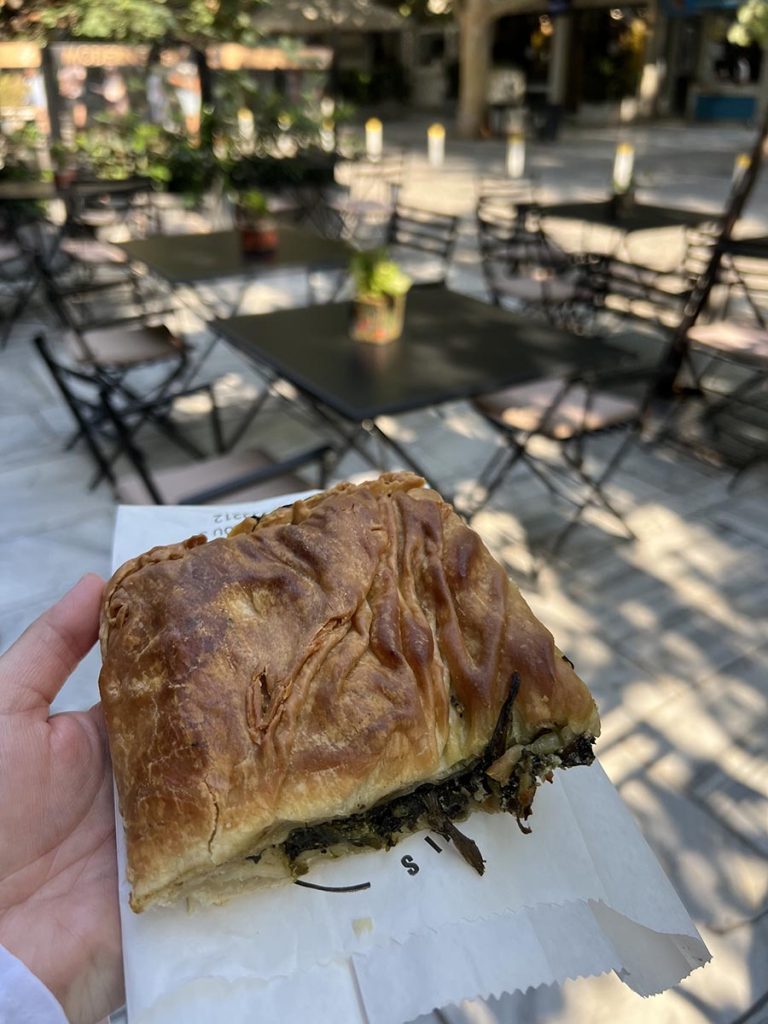
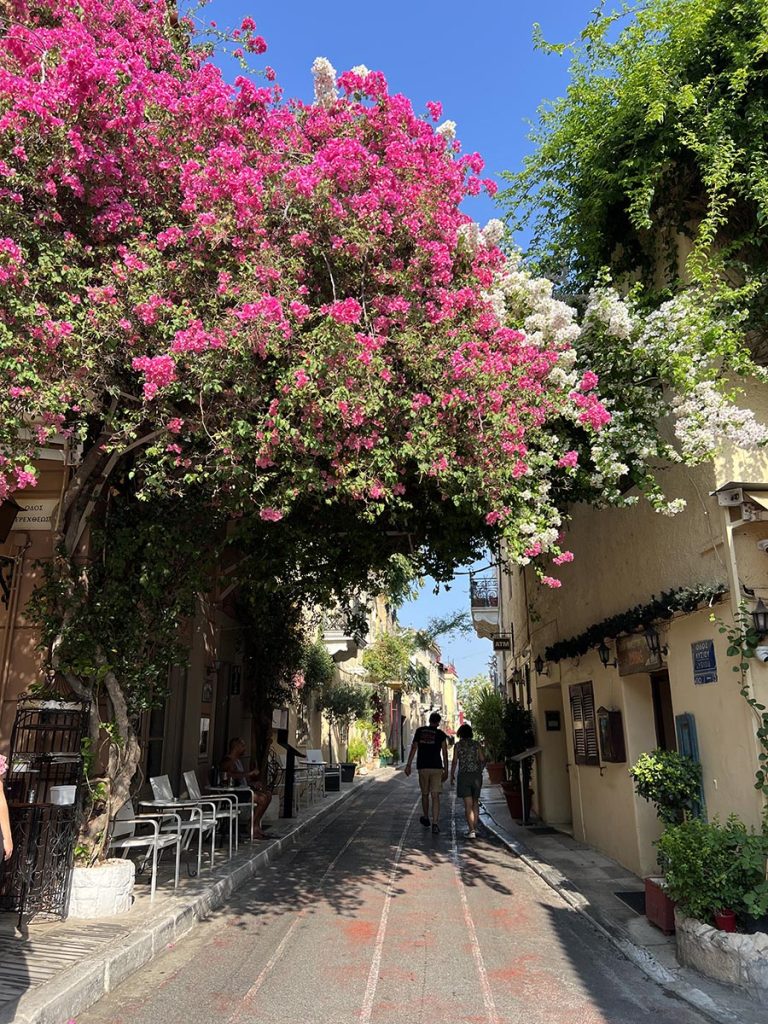
At a reasonable hour, just after 9 am, we leave the accommodation to walk to Monastiraki Square as we are going on another walking tour. But first, breakfast! I get a slice of spinach pasty while Amy goes for cheese. Upon comparing, the spinach one is nicer and juicier. It’s about 1.3km to the square, along some super pretty streets, and along the way we find a juice shop to hydrate before our tour.

The tour today is titled Women in Ancient Greece. Buckle up, it’s going to get interesting.
We meet the guide at the designated spot and she tells us we are the only people today, so it’s like our own private tour! Our guides name is Maelle and she’s originally from France. She tells us that usually the tour is booked out, but the heat is keeping people away at the moment.
This tour will focus on the classical period of Greece, so the 500-400 BCE timeframe. We start the tour by walking to Hadrian’s Library. We learn that during this time women weren’t allowed to read. It was even legislated that women couldn’t read. Fathers weren’t even allowed to teach their girls how to read in the privacy of their own homes.
There was evidence of women in Hadrian’s Library, though. Now, if a woman wasn’t allowed to read, why would they need to be in a library? If you guessed prostitution, you would be correct.
Our tour then moves on the Holy Church of the All-Great Taxiarchs and the Virgin Mary Gregoriousa. We stand outside and discuss marriage during classical Greece. It was enlightening, to say the least. Rage inducing, possibly.
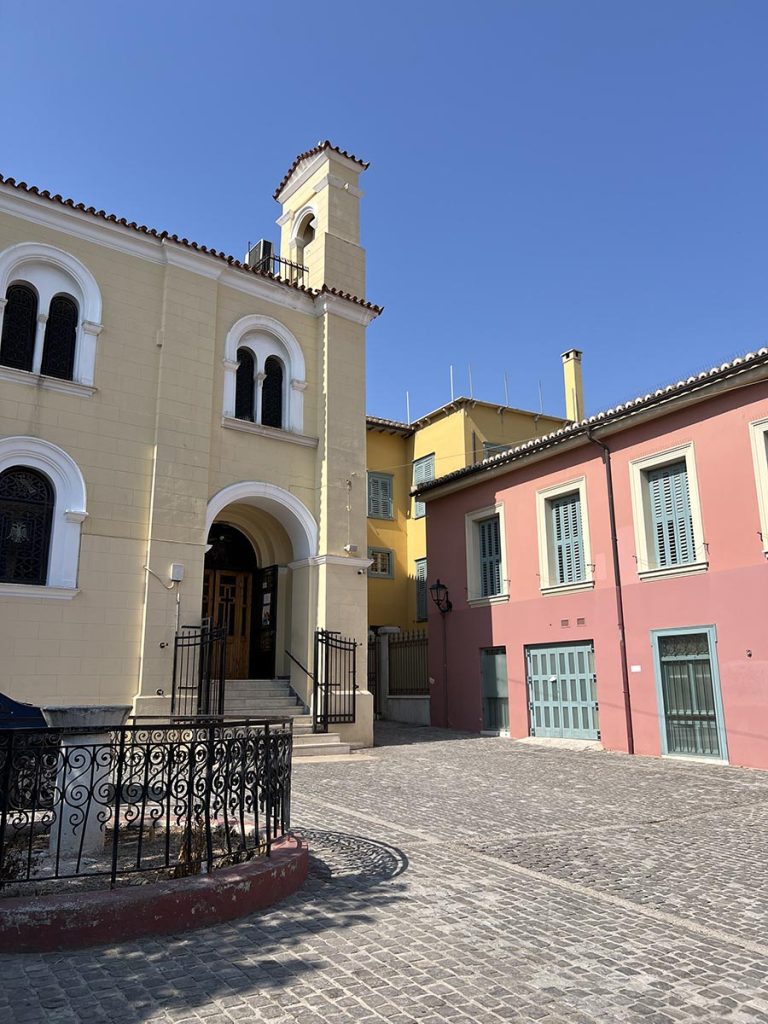
To be a citizen of Athens, people needed to meet certain criteria. The criteria included:
– Being male
– Both parents were born in Athens
– Complete military duty
– Parents had to own property
– And I’m sure there are others I’m forgetting
So firstly, men wouldn’t finish their military duty until they were around 25, sometimes 30 if they chose to stay on and move up the ranks. Once they’d finished this duty, they were then able to marry.
Girls, because let’s face it they can’t be considered women, would be married off as soon as they started menstruating. Meaning men as old as 30 would be married to girls as young as 12-13. I shudder to think what would happen if they started earlier than that. Once they were to be married, they had to take all their childhood toys and bury them on the slopes of the acropolis. Apparently, there’s a good exhibition in one of the museums.
After women became married they were not allowed to leave the house. Male visitors were not allowed near the women in the house. Basically, women after marriage became completely isolated. This was to ensure they only had children with their husbands to keep the bloodline Athenian, so they could be assured their children would be able to become citizens. I suggested they were merely sex slaves and the guide said they were called walking bellies. So sad.
And to top it off, women weren’t allowed to drink wine either. 
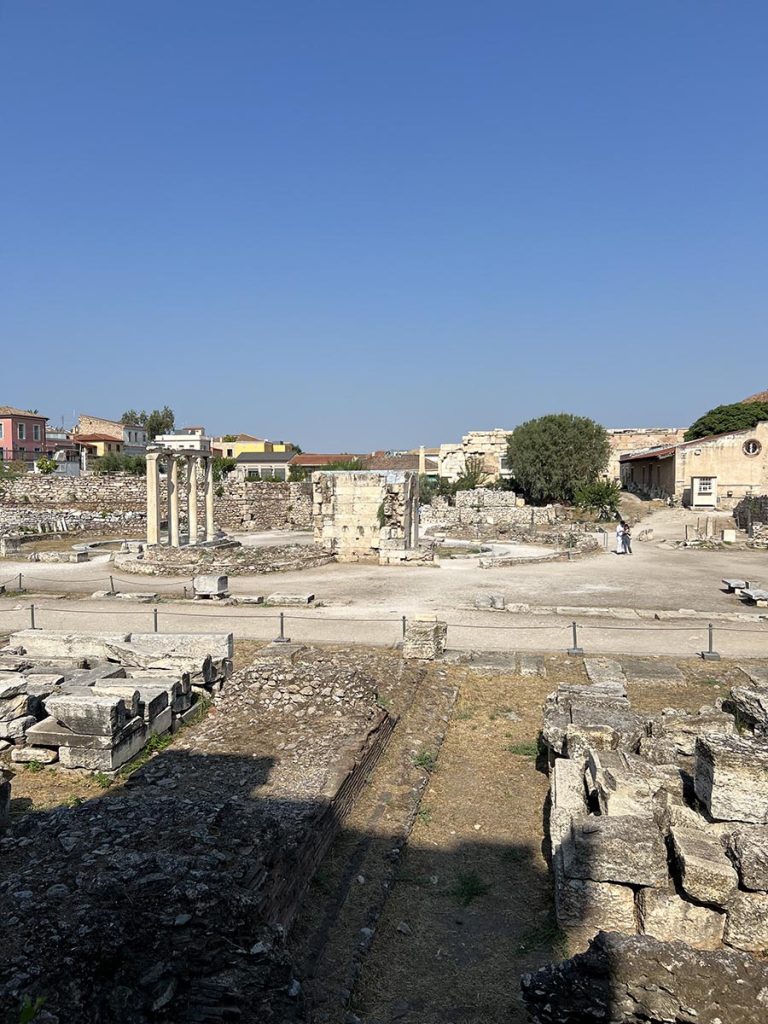
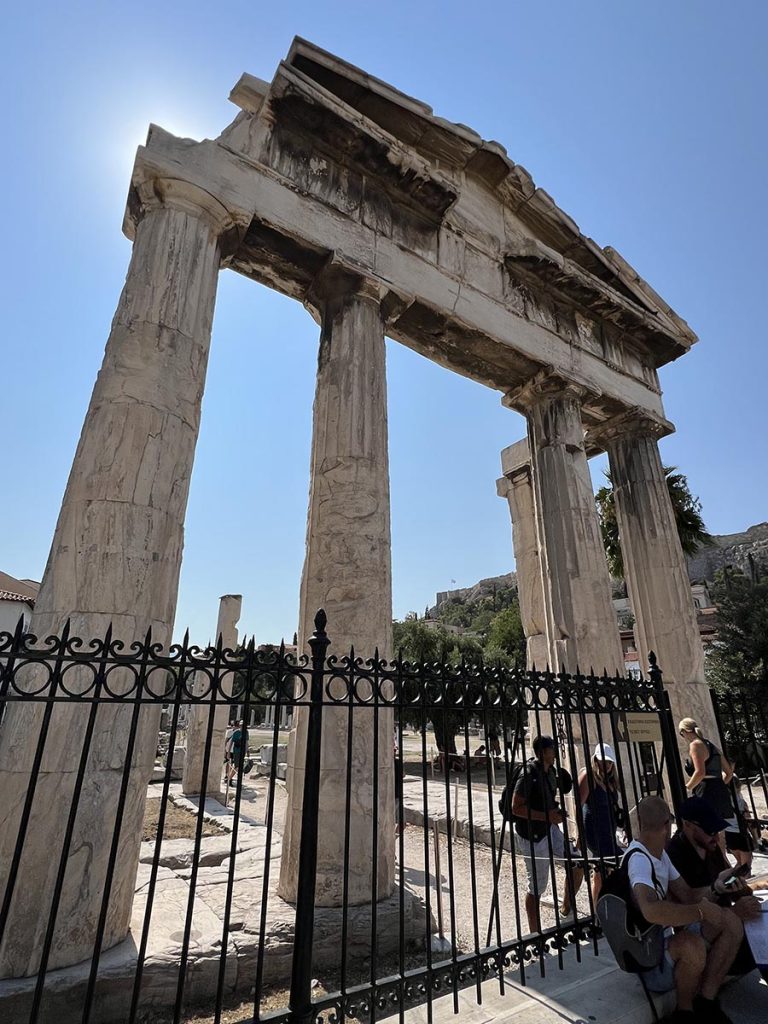
Our tour continues to the Roman Forum, where we stand and admire Athena’s Gate. One of the last monuments made for Athena.
We then walk to Eleusinion which is where Demeter and Persephone were worshipped. It was a three day festival for women only. They would sacrifice a pig in a pretty brutal way. Our guide tells us that historians think this ritual was from a time before the Athenians worshipped their gods because it is not in line with the other rituals performed. She also tells us about another place that used to have 5 day long festivals where everyone would get high on mushrooms, and what happened in these festivals stayed in the festivals. Good times.
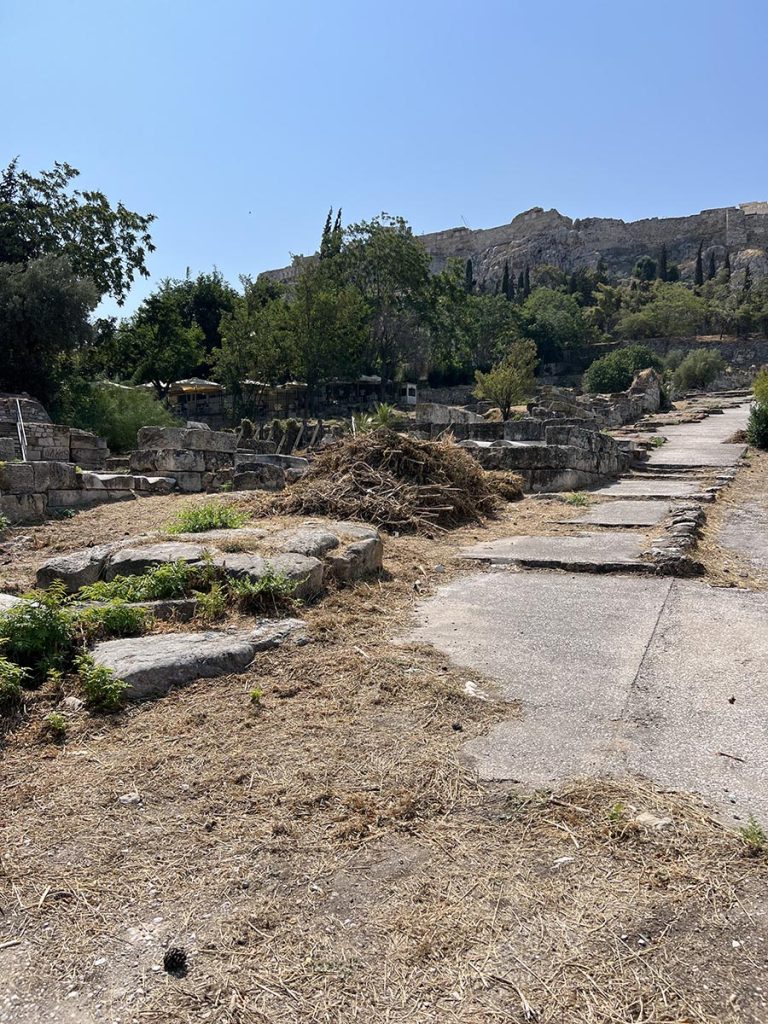
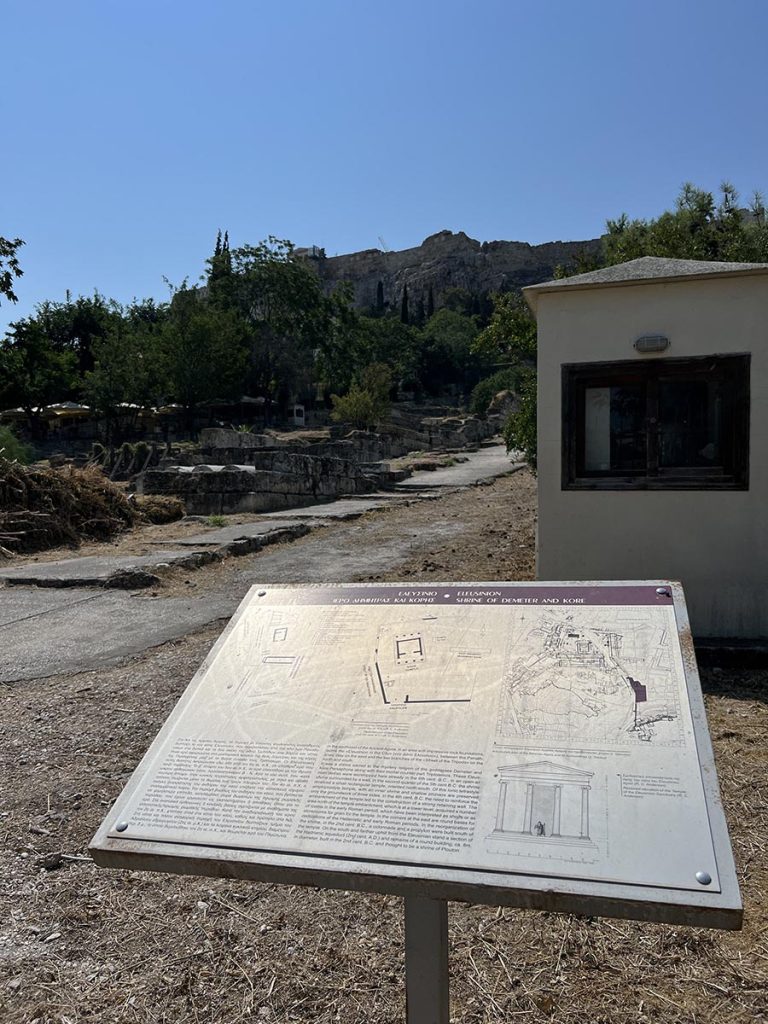
We then look at the Ancient Greek Agora which was a meeting place and market. Again, it was mainly a place where men were. The only women here would be prostitutes and a more upper class hetaira. A hetaira was more like an escort. She was usually not from Athens or even Greece. Generally she would be educated and accomplished in her own right. Men could buy them long term, for years, and even move them in to their homes. I bet their wives were thrilled by that.
We then look towards the Temple of Hephaestus. In mythology, he married Aphrodite. There is an altar here for Aphrodite and it is said that women would come here to leave offerings who were unhappy in their marriages. Now, where this story gets interesting is a woman named Sappho wrote lyrical poetry. She became very popular and even toured the country. She wrote an ode to Aphrodite.
During Sappho’s tour, she would tell people she was a Lesbos resident. And because of her poems and sexual orientation, this is the beginning of the term lesbian as an identifier of sexuality. Prior to that, a lesbian was just someone who came from Lesbos.
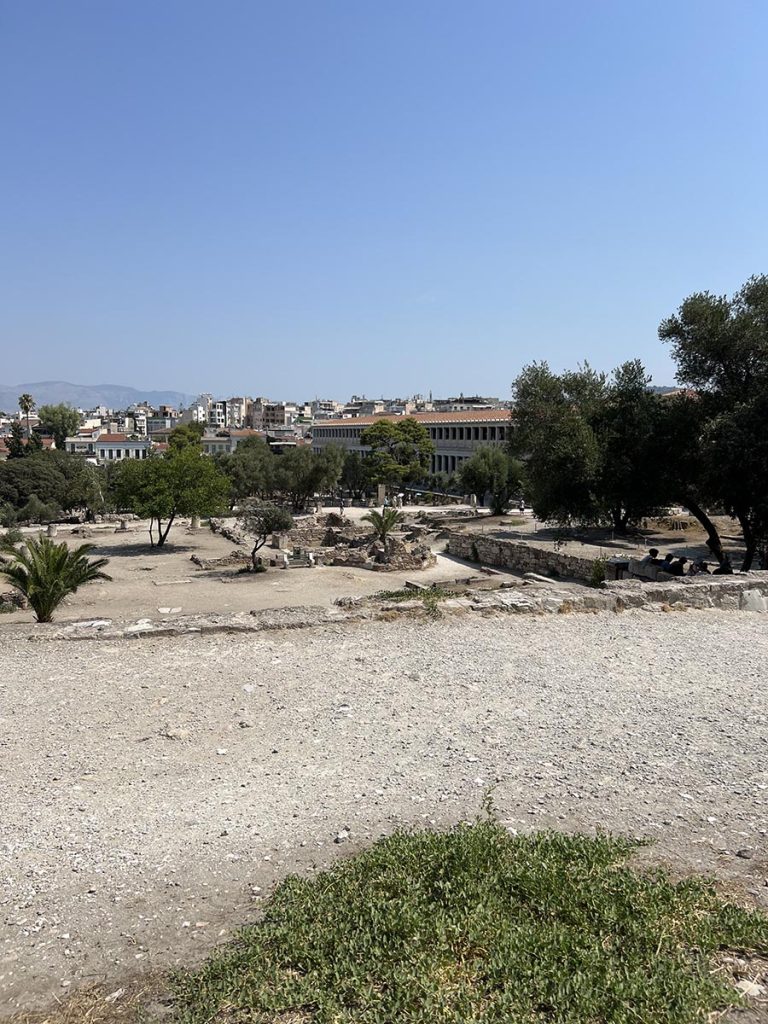
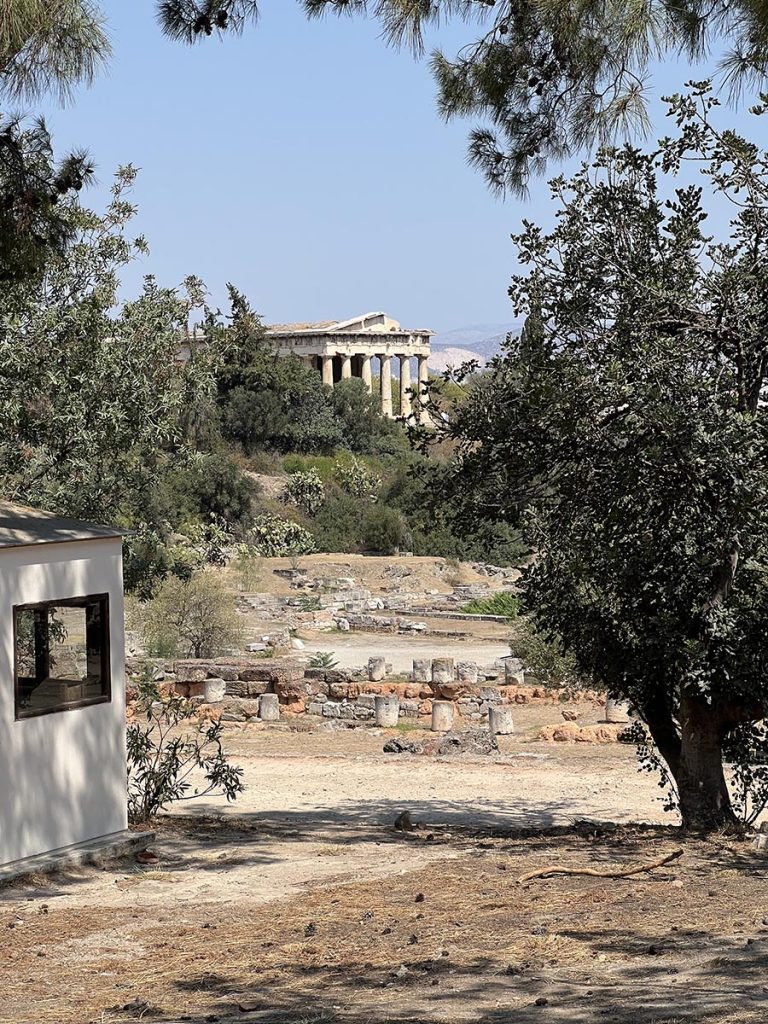
We then walk up the hill to see the Pynx Assembly which is where the citizens would come together and debate and vote on legislation. Remembering that women weren’t able to even be called a citizen because they failed the first criteria, not being a man.
I think it was Socrates who did discuss at some point why women shouldn’t be allowed to be part of the democratic process, but in the end he claimed that women wouldn’t be able to do it well. Apparently it was quite an abrupt claim, so it is still debated if he was in some way shut down and threatened with his citizenship if he continued to pursue it.
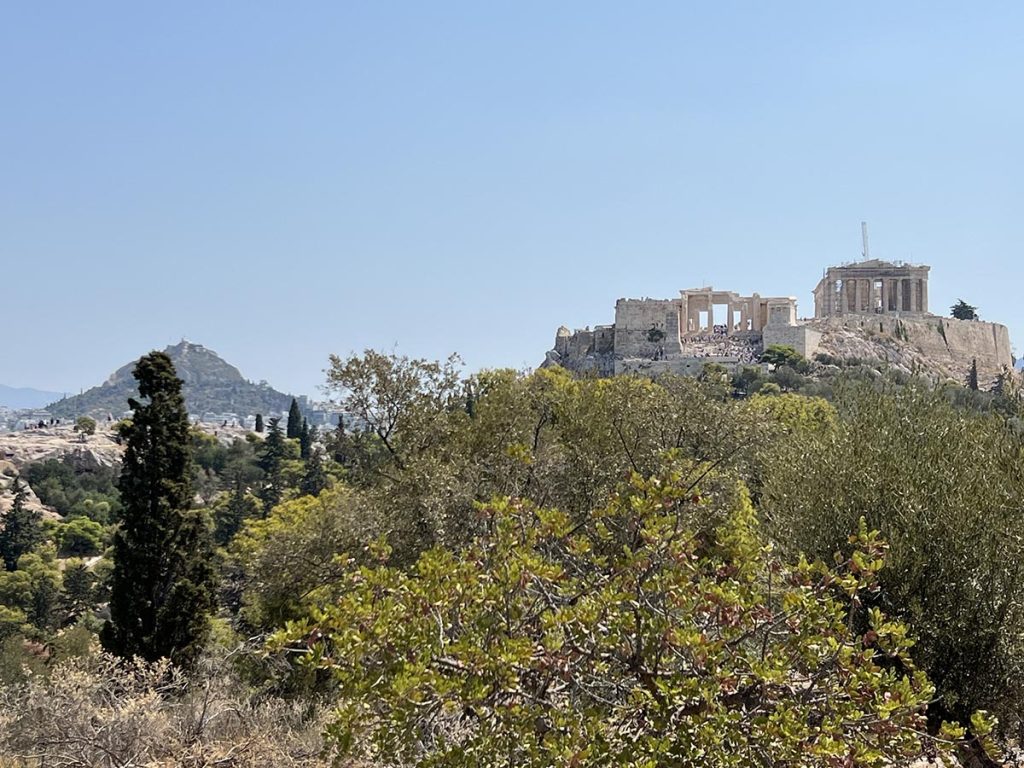
Our guide tells us a story about the leader of the assembly divorcing his wife and moving his quite famous hetaira in. It was unheard of back in the day. He even petitioned to have her become a citizen. Yeah, he was threatened to be kicked out if he didn’t stop associating with her. She was a very intelligent philosopher, who even Socrates would talk with. So anyway, they stopped associating publicly, but who knows what went on behind closed doors.
Then our guide discussed the hill of the nymphs, but I don’t really remember that story.
And at this point, our tour ends. It was such a fantastic tour. I learned so much and I’m thankful to not have been a woman way back in Ancient Greece!
If you want to go on this tour, check it out on Get Your Guide. Honestly, you won’t regret it!
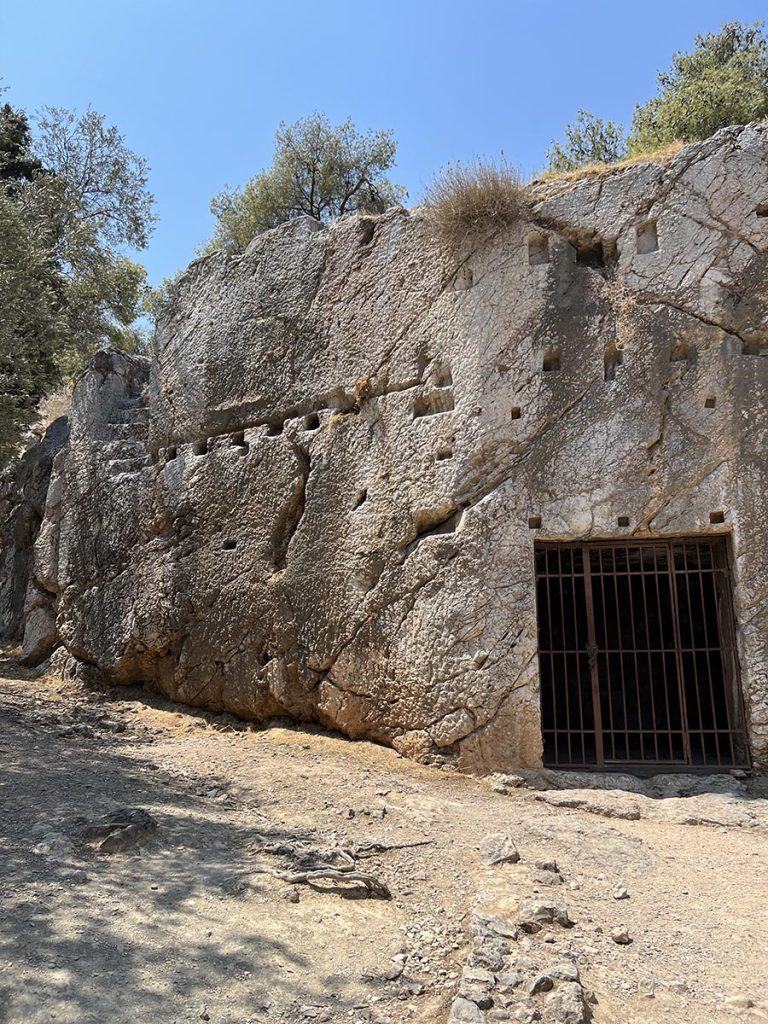
After the tour ends, we visit the prison of Socrates. Our guide did tell us that they now think he wasn’t held here at all, but in the agora prison. Either way, the caves were used to hide valuable artefacts during the wars and revolutions.
I especially like the stairs that seemingly lead to nowhere. Well, I can only suspect with the holes on the rocks, that a walkway was constructed above the prison. There’s not really much to see here, otherwise.
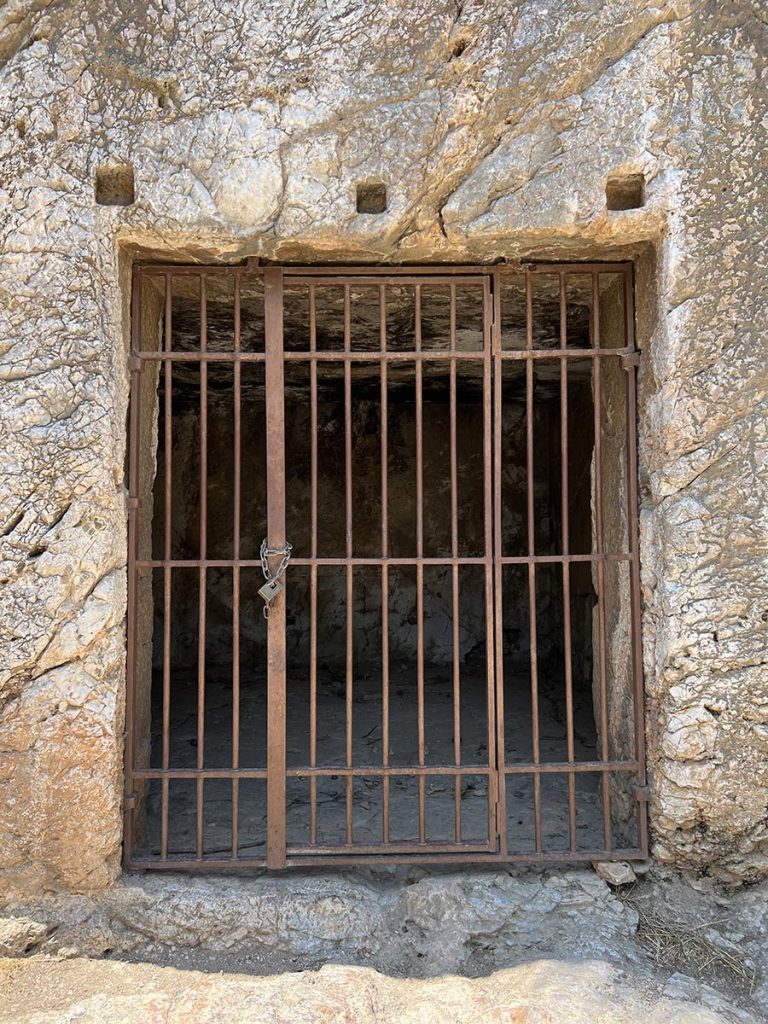
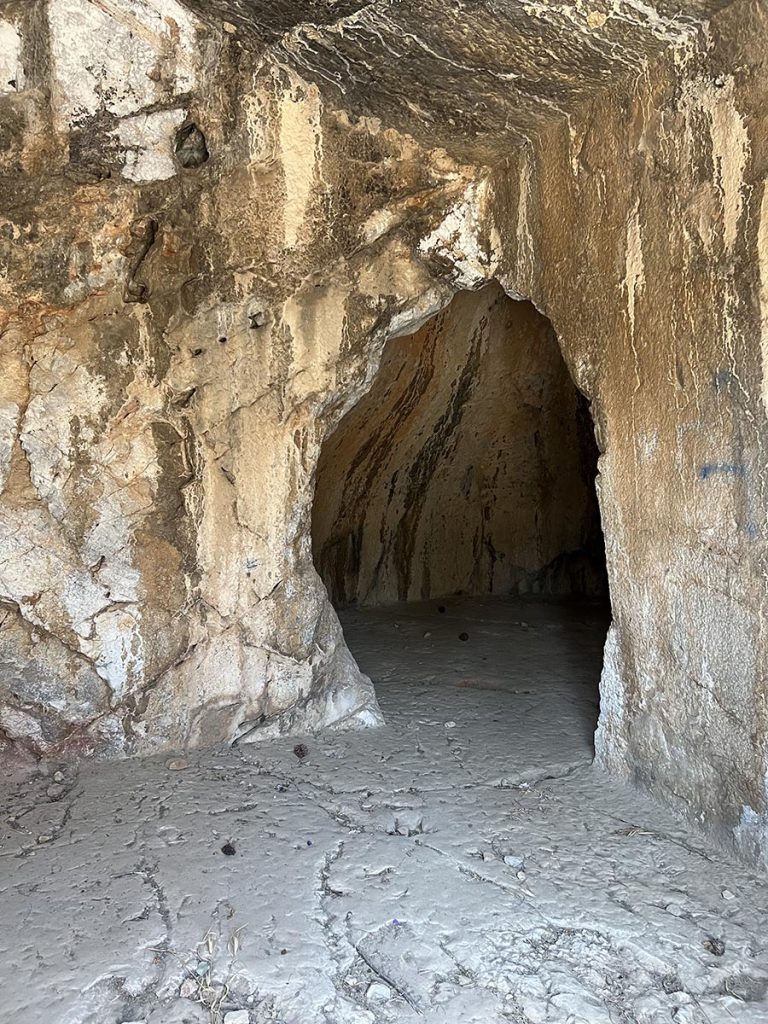
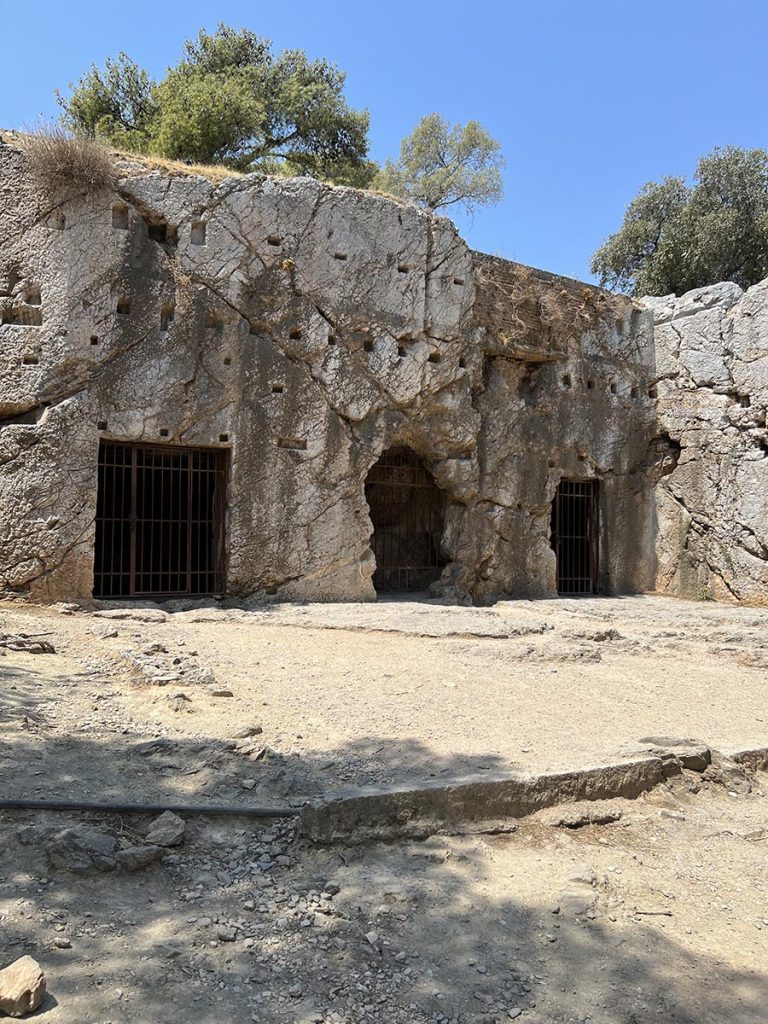
We then walk back to the accommodation. We stop along the way for some cooling drinks and we grab some bruschetta for lunch. We’re too hot to be hungry, so this does nicely. Until we pass a convenience store and buy some chips and chocolate. 
We then get back home and rest. And by rest I mean nap for half an hour. I am the queen of power naps. Amy is not, and it takes me a bit to wake her back up. Once she’s out, she’s out.
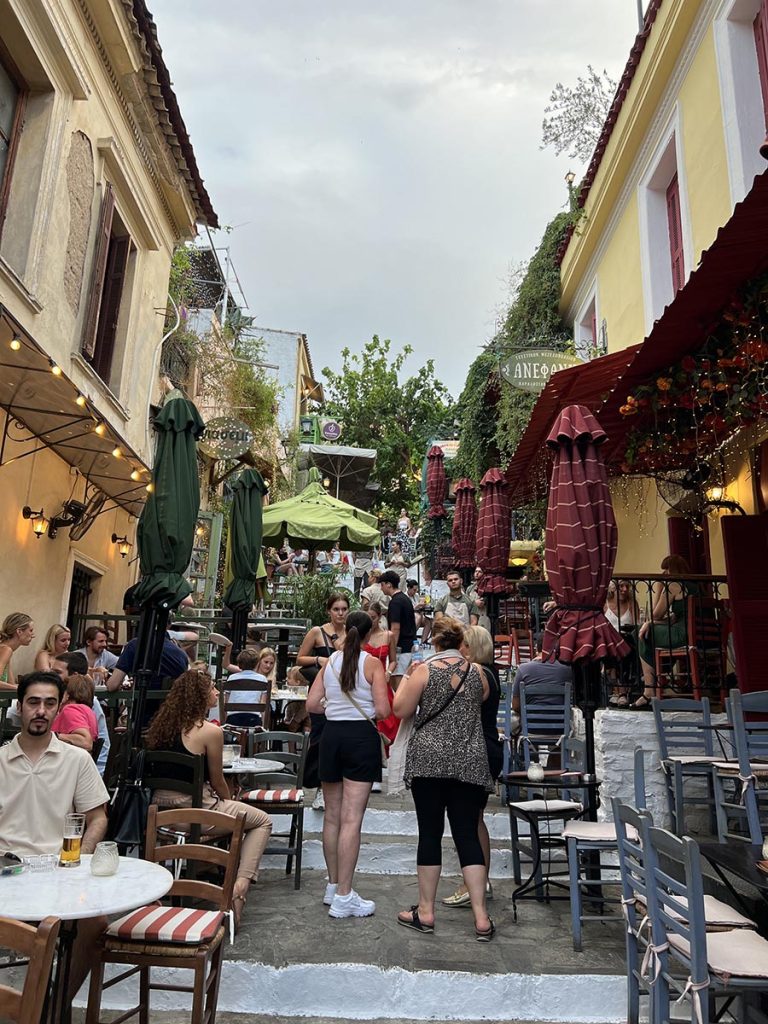
Later in the afternoon we walk back to the Anafiotika neighbourhood. It’s such a cool neighbourhood built on the slopes of the Acropolis. It’s so cute and I’m so glad this has been preserved. It is a normal neighbourhood though, so it feels a bit weird to go past people’s houses. The views are amazing from over the top of the neighbourhood.
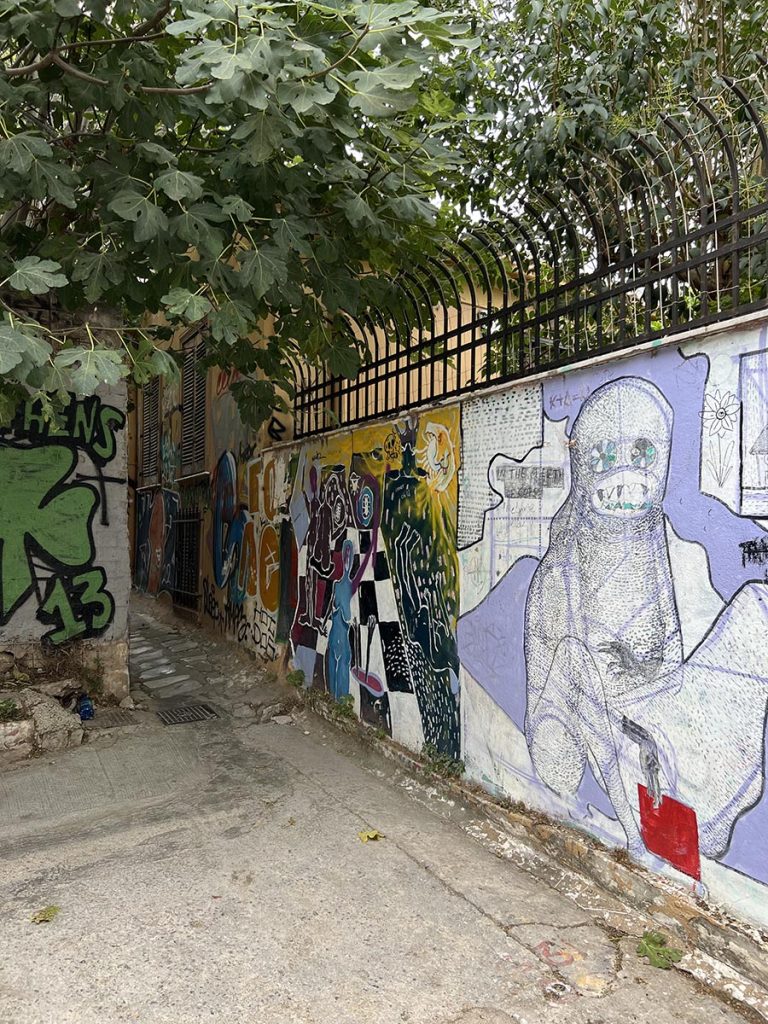
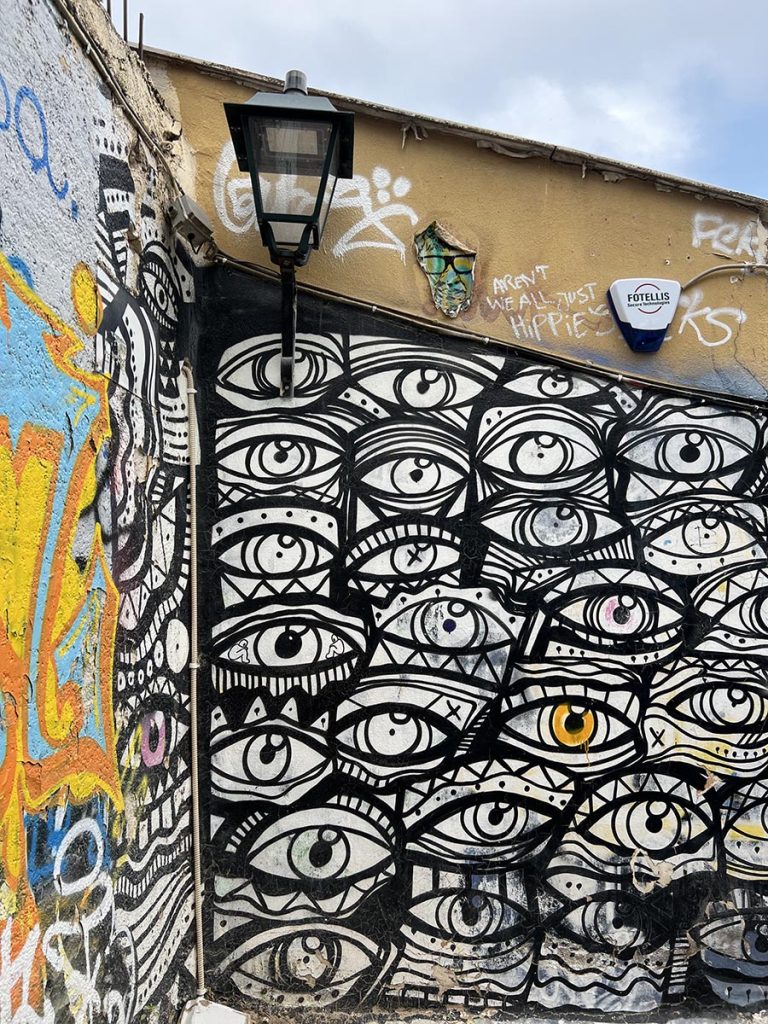
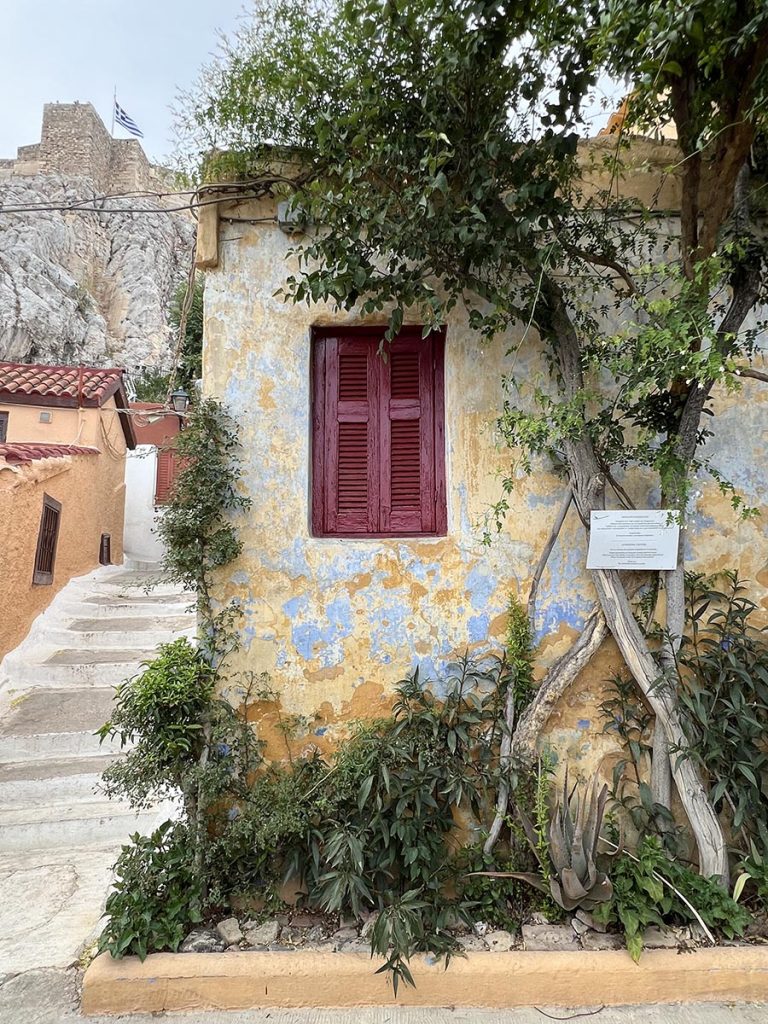
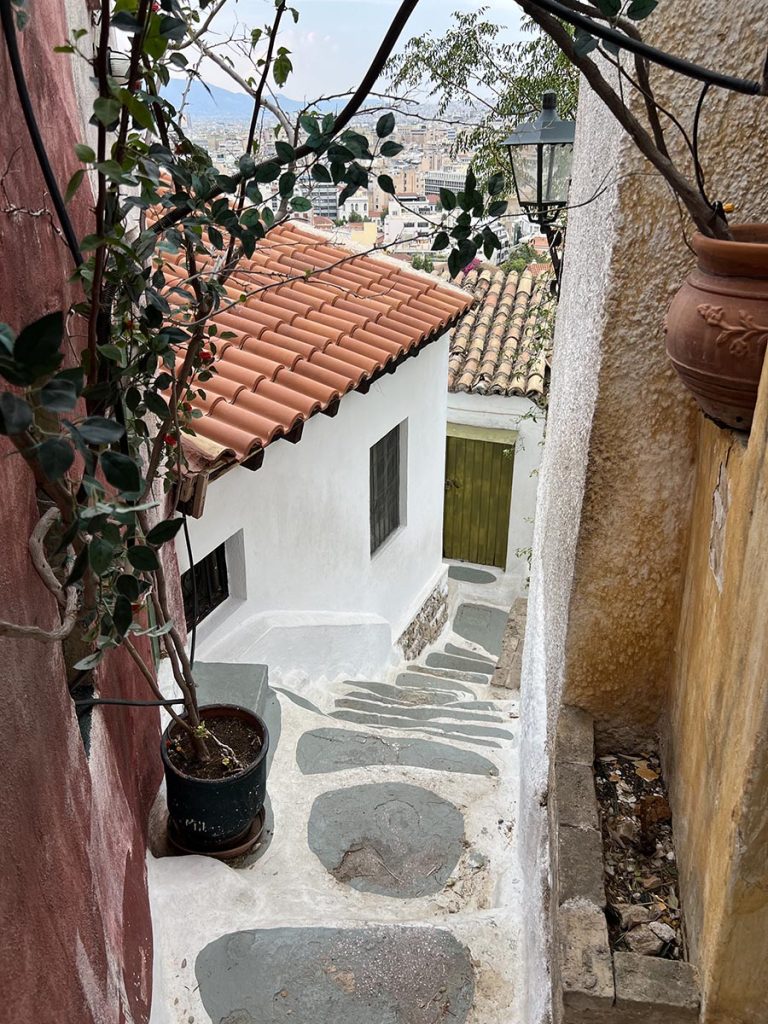
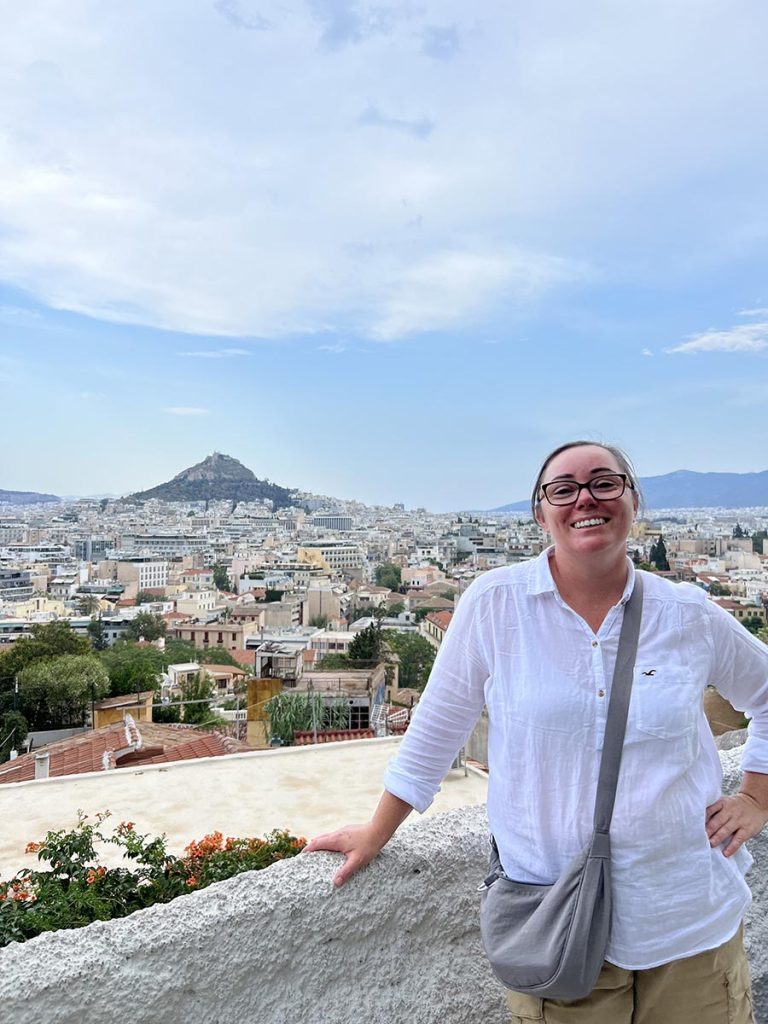
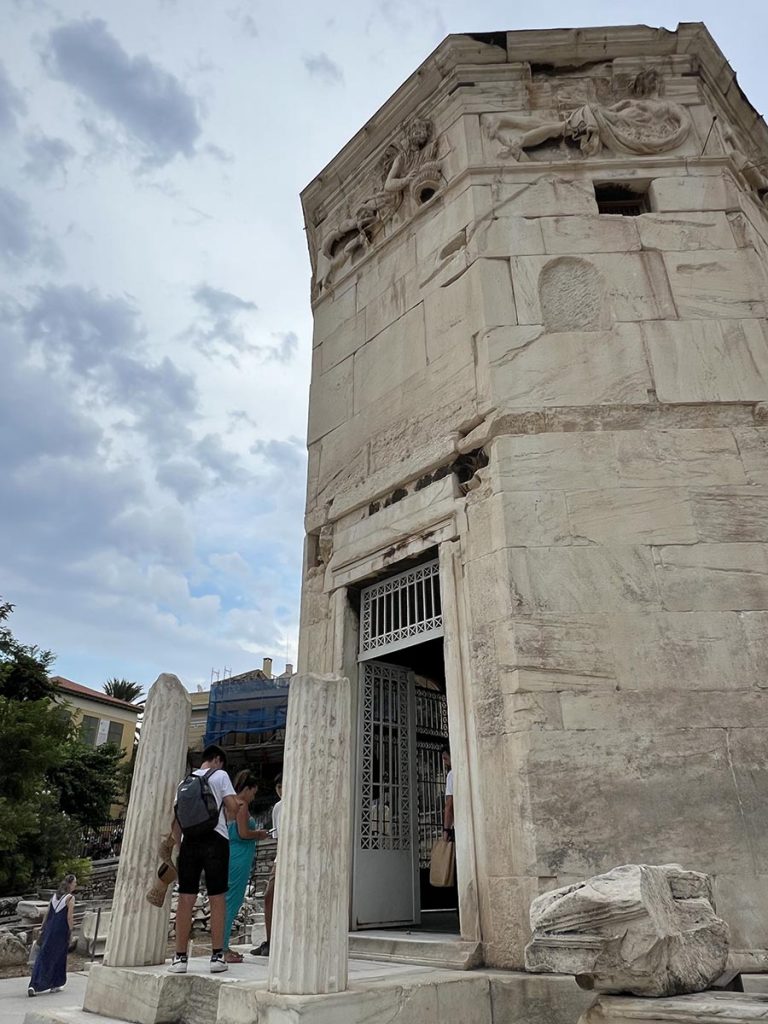
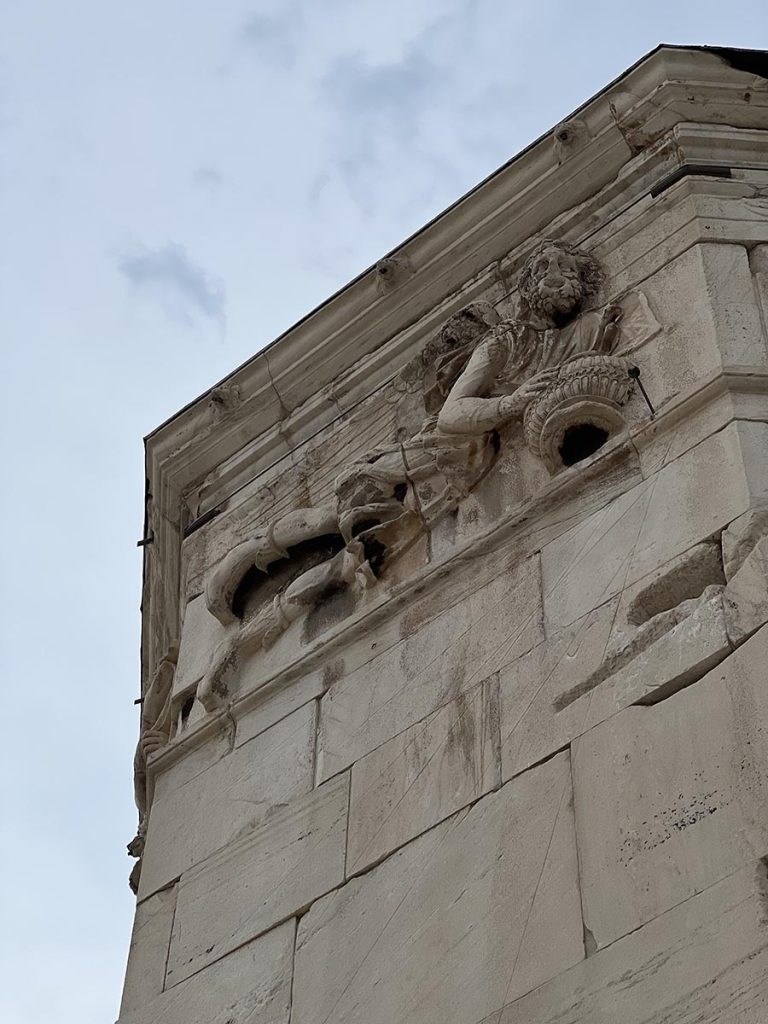
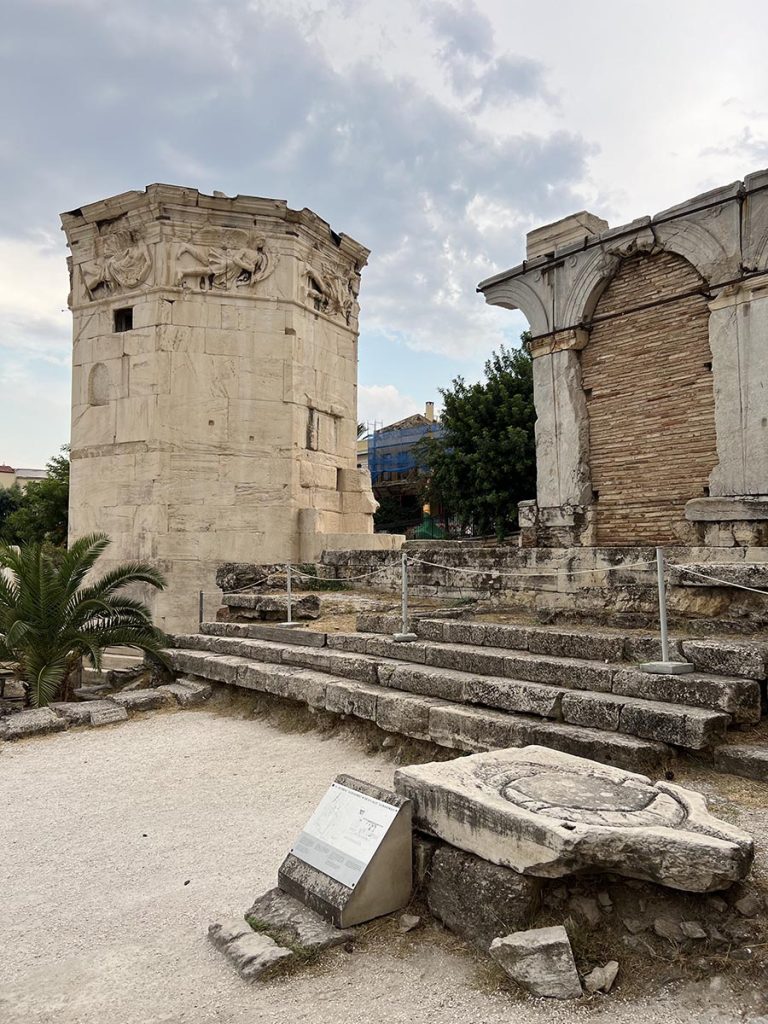
We then head back towards the Roman Agora. The only exciting thing here is the Tower of the Winds. It had a hydraulic mechanism inside that powered a water clock. So that’s pretty cool.
We don’t stay here long, maybe 15 minutes, because there isn’t much to see. There’s a storm brewing in the distance with lightning, so we don’t want to be out in case it starts to storm (in the end, the storm went around us and we only got like 5 spots of rain).
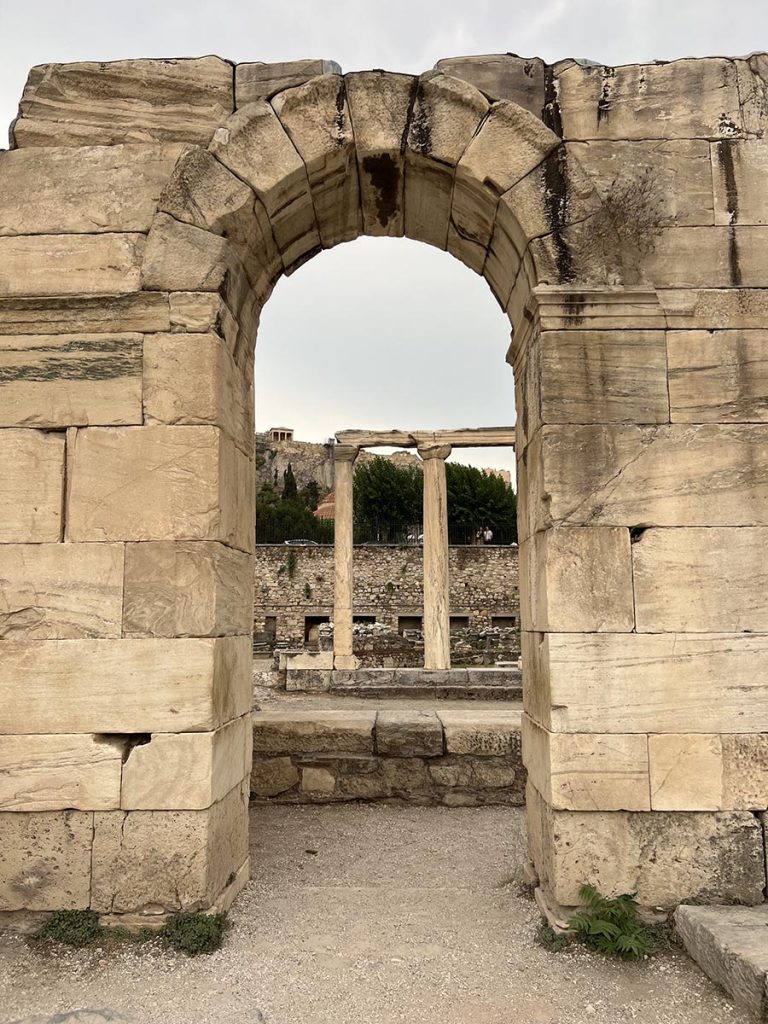
Hadrian’s Library is next on our agenda. This is a little more interesting than the agora with a few more things to look at. The library consisted of four large rooms, two of these were auditoriums. The back wall is still standing in its original form, so the building would have been huge.
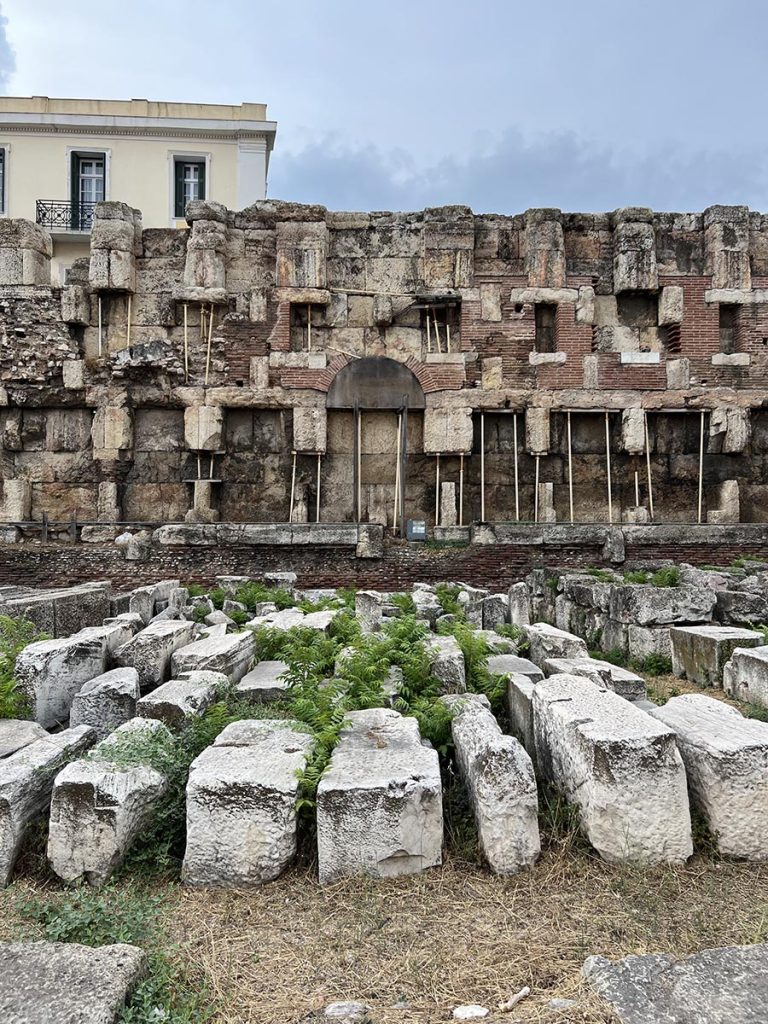
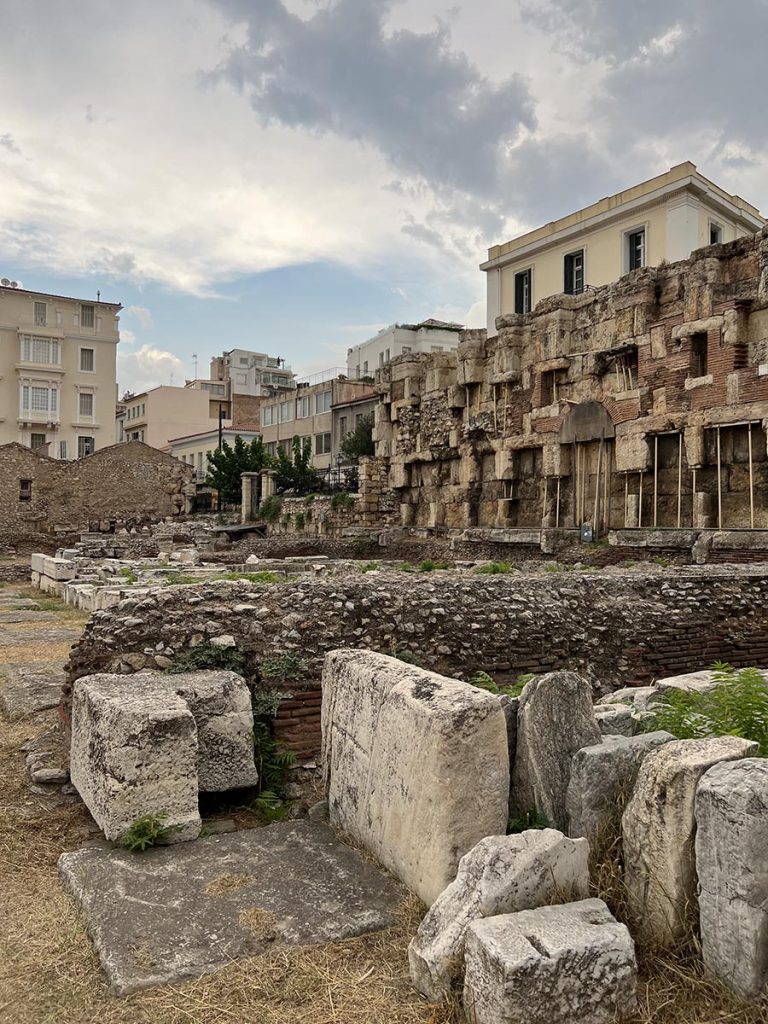
Once we’ve finished here, we make our way back to a cute restaurant that Amy wanted to try out. The location is super cute and I’m pretty sure I’m in about 100 different people’s photos and videos as our table was next to the walkway.
Dinner for me was moussaka and it was incredibly delicious and filling. The cream on the side just enhanced the flavours. It was so good. Amy had rigatoni bolognese which was also really yummy. I still prefer mine to hers though.
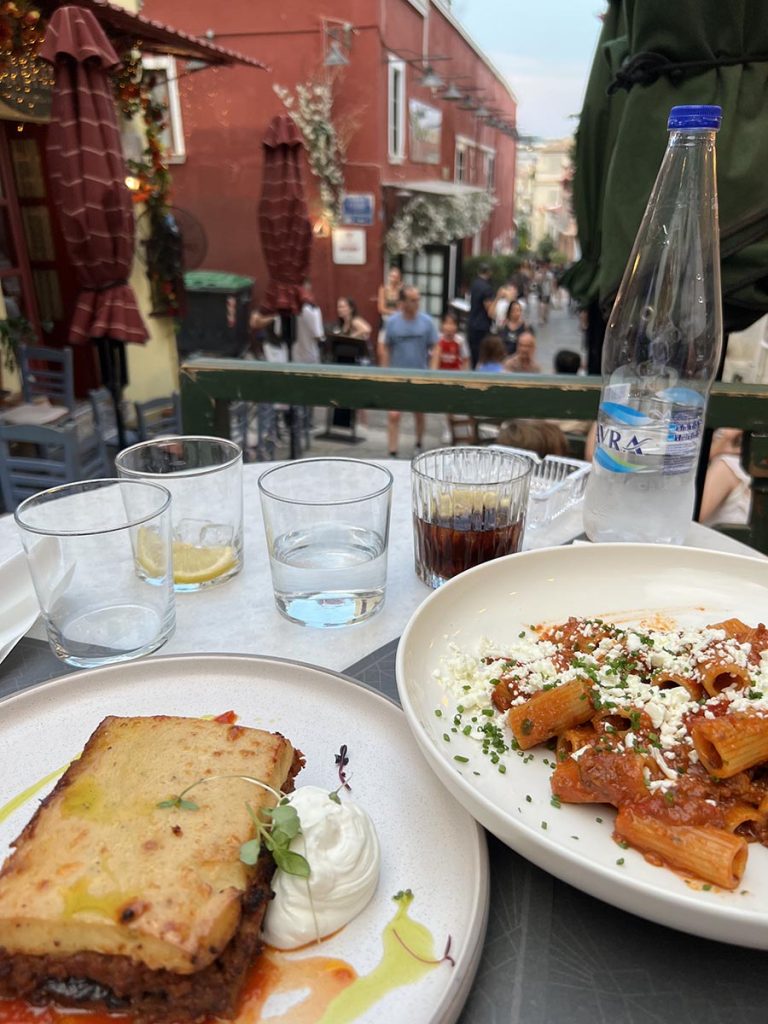
And once dinner was eaten, we walked back to our accommodation for the night.
My legs hurt.
But worth it.
And if you would like to see how this day looked, head over to my YouTube video
Check back soon for the video!
More journal entries from this trip
Greece Travel Journal / Day 1
Greece Travel Journal / Day 2
Greece Travel Journal / Day 4
Greece Travel Journal / Day 5
Greece Travel Journal / Day 6
More posts you might like
Perfect Rome itinerary for first time visitors
Spend an amazing long weekend in Jordan
Four of the best cities to see in Uzbekistan